Over five months of conversations, a trans Phoenician, a rural New Mexico progressive, a conservative Colorado dad, a Utah labor organizer and a disillusioned Nevada independent found more common ground than the partisan noise suggests
Voters Across the Southwest Agree: Data Centers Are a Chop
Over five months of conversations, a trans Phoenician, a rural New Mexico progressive, a conservative Colorado dad, a Utah labor organizer and a disillusioned Nevada independent found more common ground than the partisan noise suggests
We spoke with five people over five months. We met with participants once a month, and were asked the same questions about candidates they had their eye on, issues that needed more or less attention, thoughts on political violence and voter interference and a general temperature check on the state of politics in their respective regions. We logged responses in a Google Form and stored them in a connected Google Sheet.
Since July, I've spent a lot of evenings on the phone with strangers.
More specifically, I've been speaking with five people in different Southwestern states about voting, asking them the same questions every month and logging their answers in a spreadsheet like some kind of political hall monitor.
I call it — wait for it — a voter diary. It's an idea so revolutionary that every newsroom in America has probably already done it. But as voters across the Southwest cast their final ballots today, those calls have convinced me that almost nobody out here trusts the people asking for their vote.
I've been speaking with a transgender Arizonan making more money than ever who still couldn't afford to live alone; a 25-year-old progressive in a rural Republican corner of New Mexico watching her reservoir dry up; a conservative Colorado father who just wants somebody, anybody, to explain how they'll make life cheaper; a Latino labor organizer in Utah who thinks Democrats lost track of the working class; and a former conservative Christian in Nevada who has run out of patience with both parties.
These five voters aren't a representative sample, and I'm not pretending otherwise. But after months of listening, I'm struck by how much we share — and how much the partisan lens of American politics obscures.
They all disagree on plenty. But across five months of conversations, their frustrations kept landing in the same places: Life is expensive; Politicians talk more than they solve; Big money has too much influence; And data centers, in every single state, are a chop.
Five people can't speak for the more than 20 million who live in the Southwest. They can, however, reveal how much common ground gets lost in the partisan noise.
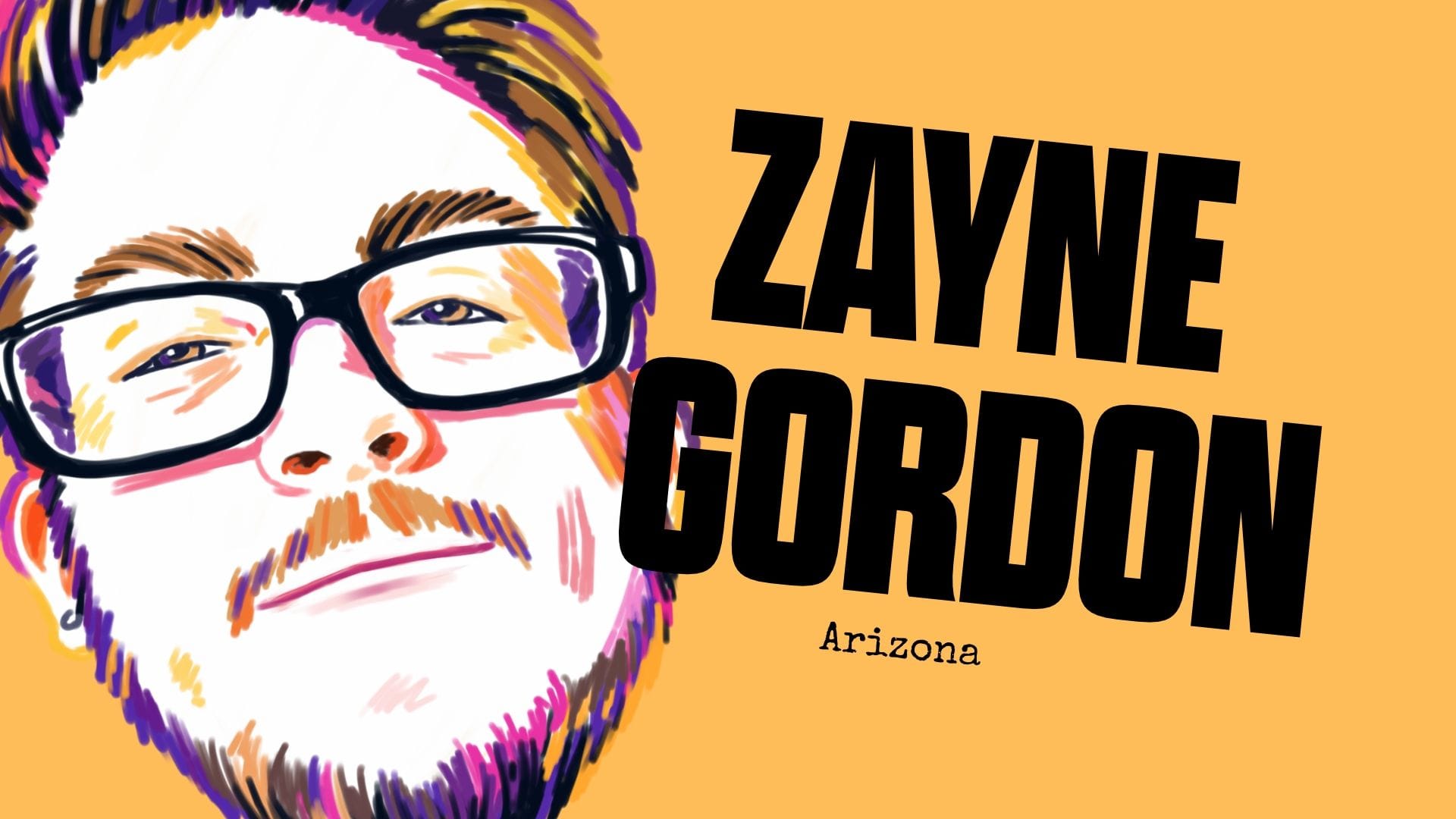
Zayn Gordon is a Phoenix resident with a uniquely optimistic view. We always talk in the evenings, after his shift at an insurance job he's held for four years. His commute takes 45 minutes each way. You can guess how he feels about gas prices.
“I'm making more money than I've ever made in my entire life, and I still couldn't afford to live on my own if I had to,” he said.
Gordon is transgender, lives with his boyfriend and would consider voting for someone from either party — provided they share his values and have a plan for the future.
“I like that there’s people who can have different opinions and still get along,” Gordon said. “If a Republican person happens to have the same interests as me, I could see myself voting for them. Unfortunately they usually don’t.”
The candidate he’s got his eye on remains Democratic Gov. Katie Hobbs, though his confidence in her reelection slipped from 5 to 4 out of 5 by September. After months discussing immigration enforcement and data centers, his attention turned increasingly toward affordability.
He'd previously complained that candidates talked too much about costs. The problem wasn't the subject; it was the lack of solutions.
He's similarly tired of hearing how terrible President Donald Trump is without hearing what anyone intends to do about it.
“Less on his BS and more on fixing his BS,” he said.
Gordon worries about political violence and voter intimidation, especially after a deadly anti-LGBTQ+ hate crime at a Tucson gay bar. Still, his optimism hasn't budged: 4 out of 5.
“I’m hoping for some positive change,” he said. “I would love to see some younger people in office who are dealing with the same stuff I’m dealing with.”
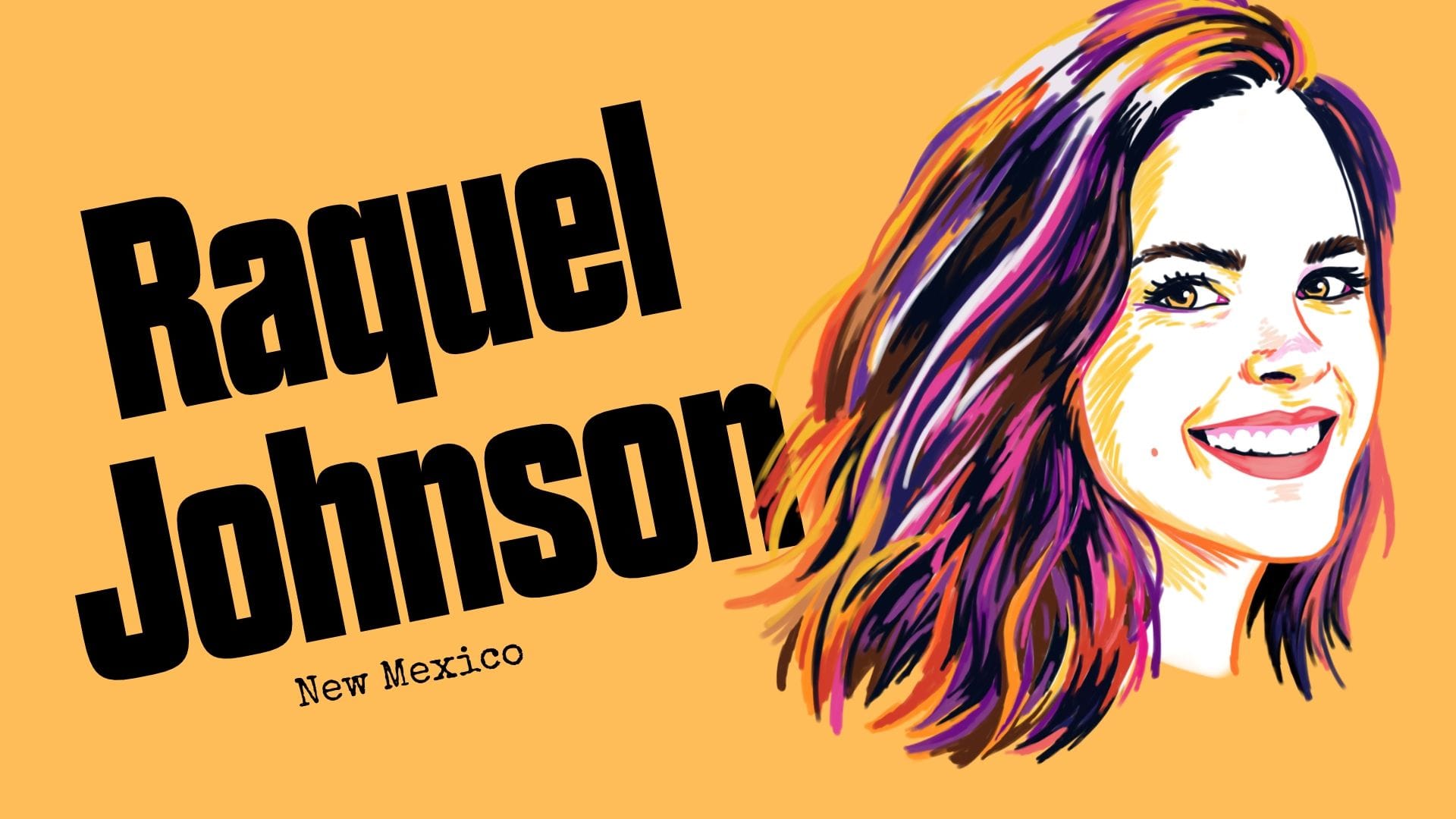
Raquel Johnson, 25, lives in Truth or Consequences, a small town in reliably Republican Sierra County. The county backed Republican gubernatorial nominee Mark Ronchetti by nearly 25 percentage points in 2022, even as New Mexico elected Democrat Michelle Lujan Grisham.
Johnson, meanwhile, started our conversations enthusiastically supporting Democratic gubernatorial nominee Deb Haaland, a former congresswoman and U.S. interior secretary.
“Without water, we cannot survive. That’s the scary part when you live in a desert.”
But water is a more immediate concern than party labels. Nearby Elephant Butte Reservoir, New Mexico's largest, sank to about 1.4% of capacity in late July. Johnson worries that Project Jupiter, a proposed data center development in southern New Mexico, will strain already scarce resources.
“I used to go swimming there like a couple of months ago,” Johnson said. “Without water, we cannot survive. That’s the scary part when you live in a desert.”
Over the summer, Haaland's positions on data centers and campaign fundraising began testing Johnson's support. She's frustrated that restrictions on new developments might leave projects already underway untouched.
“I want (Haaland) to care about the land that’s here and the people that are here,” she said. “And f--- off with the money.”
Johnson still wants Haaland to win. But by September, her confidence had fallen from 4 to 3 out of 5. She wants Democrats in a blue-leaning state to push further left — not simply win.
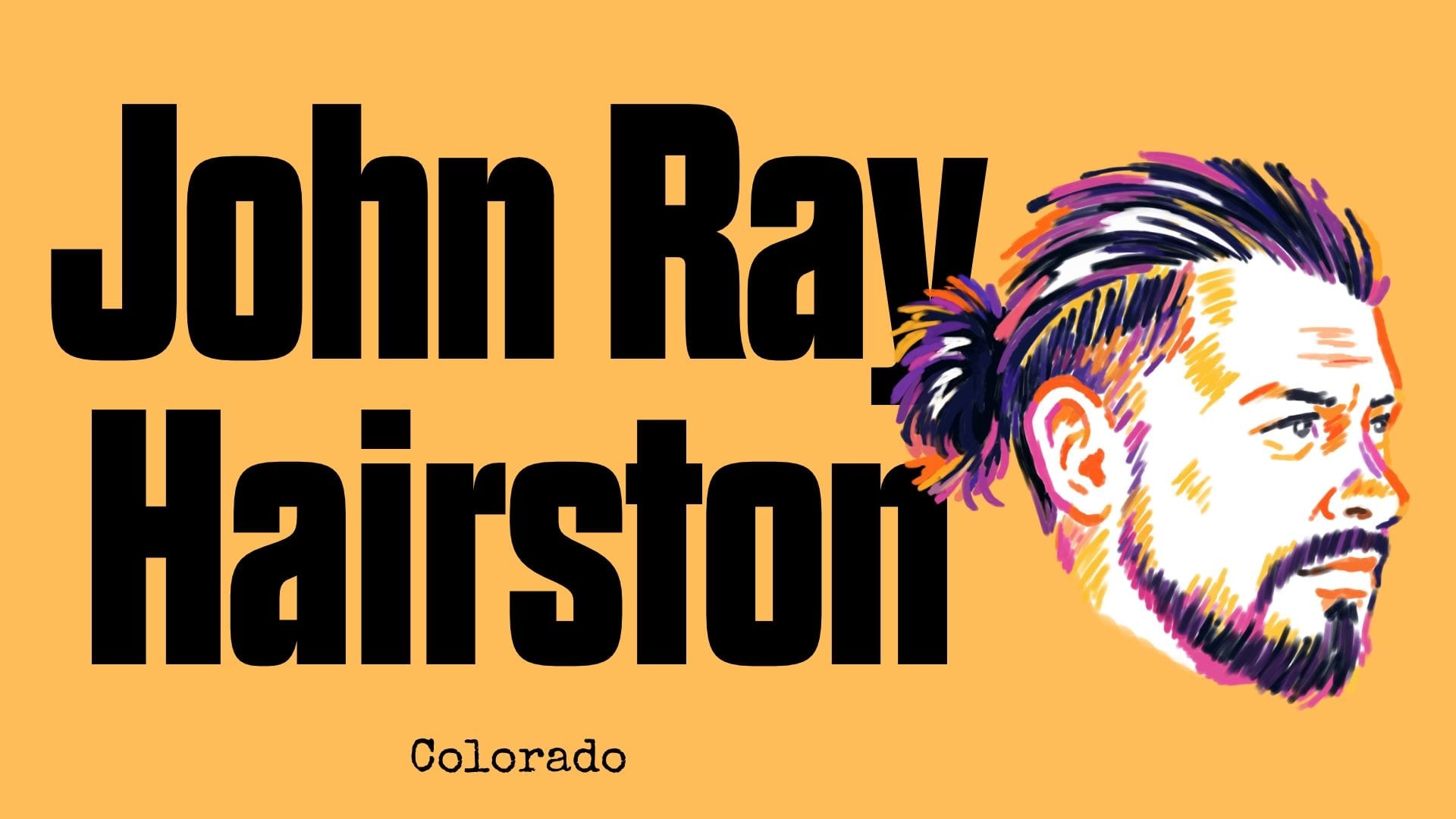
John Ray Hairston is an independent voter who identifies with the conservative cause. But superseding any political identity is his role as a father who simply wants a steadier future for his family. Although he’s been a Republican in the past, he told me that he isn’t convinced either party can deliver it.
“Not to say that every politician is out of touch, but I feel like they definitely live in a higher bracket of affordability,” Hairston said. “Now you have a whole generation of kids that will never buy and own a house.”
He expects to vote Republican, but party affiliation comes second to crime, immigration and the price of housing. He doesn't want another promise to make life cheaper. He wants to know how.
“I don't care if they’re a Republican or Democrat. I want (them) to do a good job,” he said. “I'm the one that lives in the state. The last thing I want is for the governor to just fail.”
By September, he had joined the other four voters in their concerns over data centers after driving past one and being shocked at its scale.
“I get what they’re trying to do with them, and maybe they’ll get to a point where they actually work well. But, at this point, they’re literally just polluting water and jacking up energy prices,” Hairston said.
Aside from the concrete issues, Hairston also wonders whether voters have become part of the problem. He thinks too many Americans treat political affiliation like a religion, refusing even to hear the other side.
He's not asking for a revolution. He'd settle for politicians who explain their plans — and voters willing to listen.
“I think people have become too invested in politics and they treat it like their religion,” he said. “Both sides are almost at a point where there’s no longer any communication.”
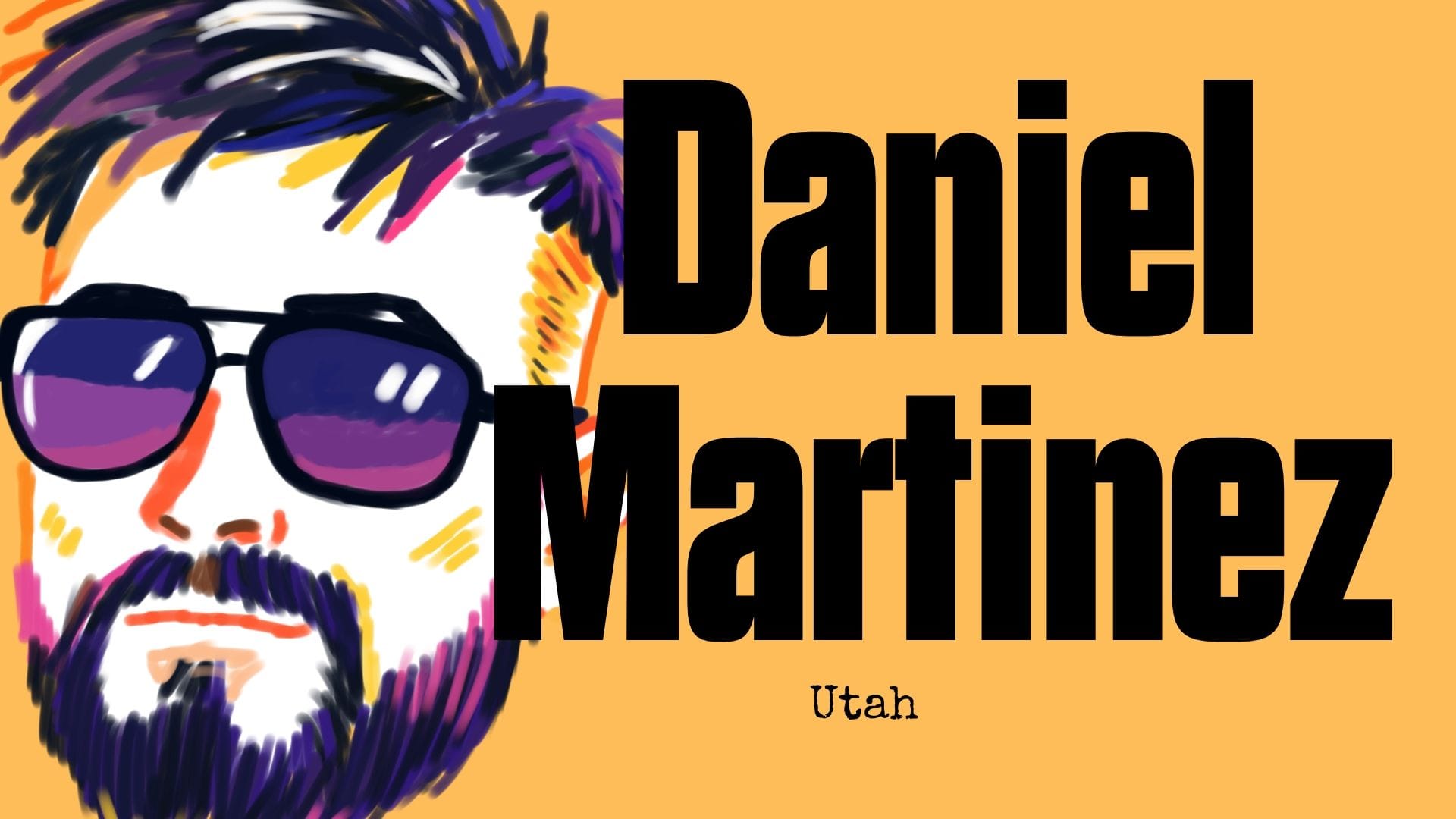
Daniel Martinez doesn't just watch Utah politics. The progressive Davis County resident organizes labor, attends town halls and has even confronted officials about immigration enforcement.
“It’s like ‘The house is on fire and people are worried about the air conditioning,’"
Aside from environmental issues facing Utah like water-intensive data centers and the shrinking Great Salt Lake, Martinez’s political advocacy almost always comes back to the working class. When we first spoke in July, he was frustrated that some Democrats seemed to be losing touch with the very people they were supposed to represent, leaving voters struggling to understand who was responsible for their problems.
“I still think working class people are getting ignored for more national issues,” Martinez said. “People don’t really know where to put the blame.”
One part of our conversation stuck out to me. When I asked him what issue candidates seem to be focused on too much, he responded with transgender rights.
At first, admittedly, I was slightly taken aback. But when he expanded on his answer, he explained a feeling I, and presumably other LGBTQ+ people, have had the whole election cycle — basically, leave queer and trans people the f--- alone.
“It’s like red meat to these right-wing bases,” he said, arguing that the issue was being used to mobilize conservative voters.
He explained that national political debates, specifically surrounding trans rights, were being used to distract from dire affordability issues affecting the working class. Let me clarify: He still stressed the importance of trans rights, but he put it into a nice analogy.
“It’s like ‘The house is on fire and people are worried about the air conditioning,’” he said.
In the same way, he also fears Social Security and Medicaid cuts could get buried beneath the endless conversation about gas and groceries.
Yet his outlook for the country remains 4 out of 5.
“I think that people are waking up to issues and things that are happening on the administrative level,” he said.
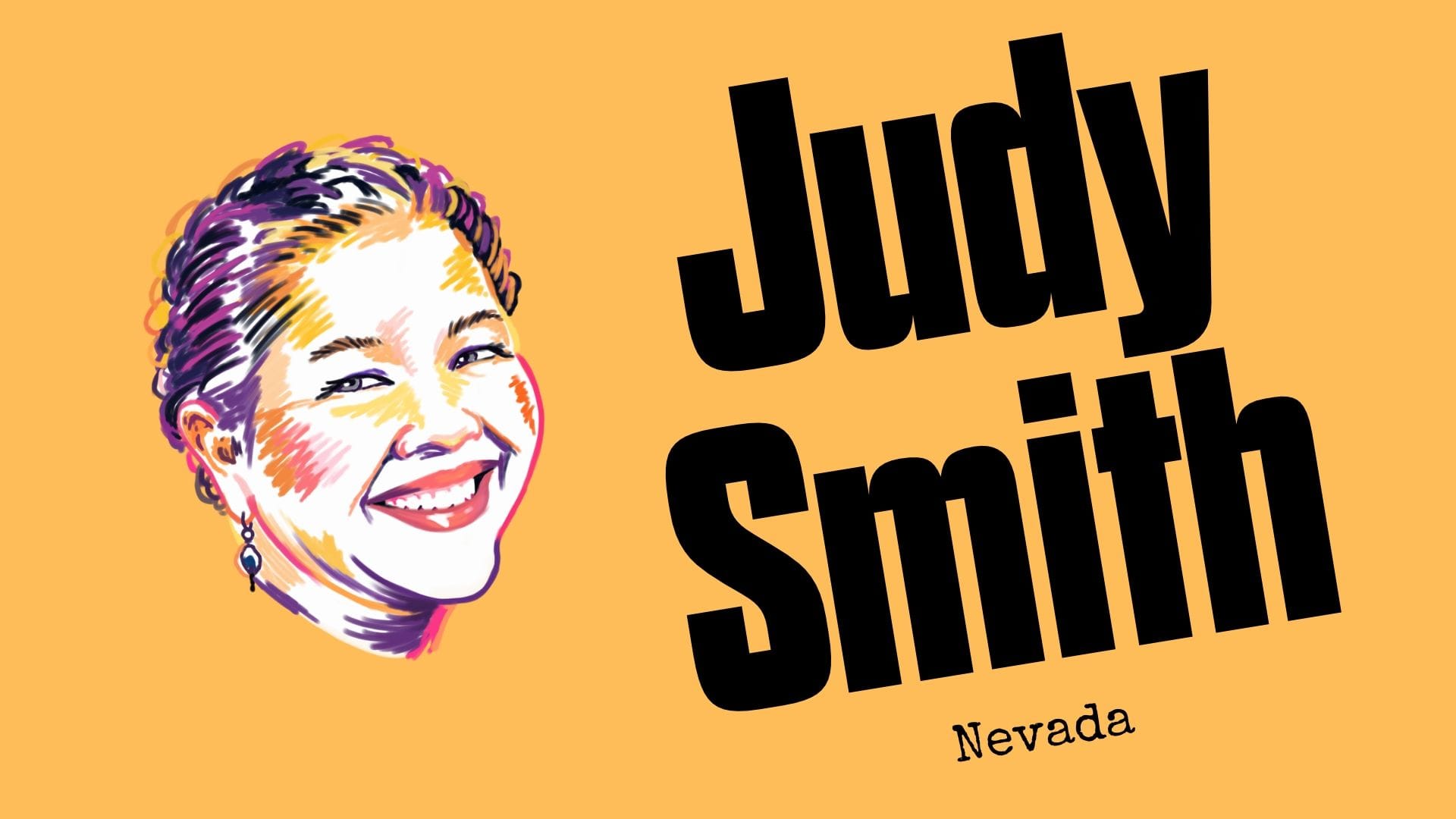
If infectious charisma and political cynicism had a child, it would be Judy Smith. Since July, our calls have been the longest, sharpest and, frankly, funniest.
Smith has lived in Las Vegas since 1975. Once guided toward conservative candidates by her Christian faith, she's now an independent who likes Medicare for All, taxing the wealthy and just about anything that challenges capitalism.
She's likely to vote Democratic, but don't mistake that for enthusiasm. Her distrust spans both parties, especially politicians' relationships with wealthy donors.
“I just don’t trust any politicians anymore,” Smith said. “I think they all kind of lie, say what you want to hear, get into office and then do nothing.”
She, like the others, has strong opinions on data centers. In water-scarce Nevada, Smith fears their environmental costs. She remembers passing huge buildings before realizing they were data centers.
Politics has made her social circle smaller. She said she no longer has the wherewithal to maintain relationships with people whose values clash with hers.
“If someone I know is supporting this administration, I don’t want anything to do with them,” she said. “I don’t want to talk to them. I’ll have no conversation with them.”
Smith’s doubts have also extended into fears over election interference, so much so that she's reconsidered mailing her ballot, preferring to drop it off herself.
I will point out that her outlook for the country has improved, technically: from 1 out of 5 in July to 2 in September. But I wouldn’t call it a comeback.
“Honestly, Lorenzo,” Smith said, “I’m just kind of giving up hope on this whole situation. Even if we do flip (blue), who’s to say anything’s going to change?”
Despite her political frustrations, Smith still makes time for community outreach, helping people in need regardless of how they vote. It's also a reminder of the Christian values she continues to hold close.
“I have to keep reminding myself that I got to love my neighbors as myself, including the MAGAs,” she said.
What's next?
By the time you’re reading this, I will have spoken to these folks once more, with the final conversation coming after the election. The conversations thus far have been incredibly interesting. From the lens of a reporter, it’s fascinating to pick the minds of individuals on something as taboo as American politics.
But in cross-examining all these similarities and overlap, I’ve been reminded that I'm not just a journalist. I’m very much a citizen who will reap the benefits or pay the consequences of politics.
I pay taxes. I go broke for groceries. I search for the cheapest gas like my life depends on it. And I occasionally get busted by speed cameras, too.
These five voters aren't a representative sample, and I'm not pretending otherwise. But after months of listening, I'm struck by how much we share — and how much the partisan lens of American politics obscures.
At LOOKOUT, we believe in the power of
community-supported journalism. You're at the heart of that community, and your support helps us deliver the
news and information the LGBTQ+ community needs to thrive.
In a country that jails people for same-sex unions, Sharon Slater through her AZ-based nonprofit fought sex education and gender protections. Locals told us what it’s like to live under those policies.
From a 2002 endorsement to a 2026 campaign donation, the Republican nominee for governor and the Family Watch International founder have championed removing civil rights for LGBTQ+ people.
In the final episode of Hate State: The tactics behind 1992’s Amendment 2 never went away, and next week’s votes on a trans sports ban and a ban on gender-affirming care for minors could make Colorado the first blue state to pass such measures.
LOOKOUT Publications (EIN: 92-3129757) is a federally recognized nonprofit news outlet.
All mailed inquiries can be sent to 221 E. Indianola Ave, Phoenix, AZ 85012.